

Superyachts 101
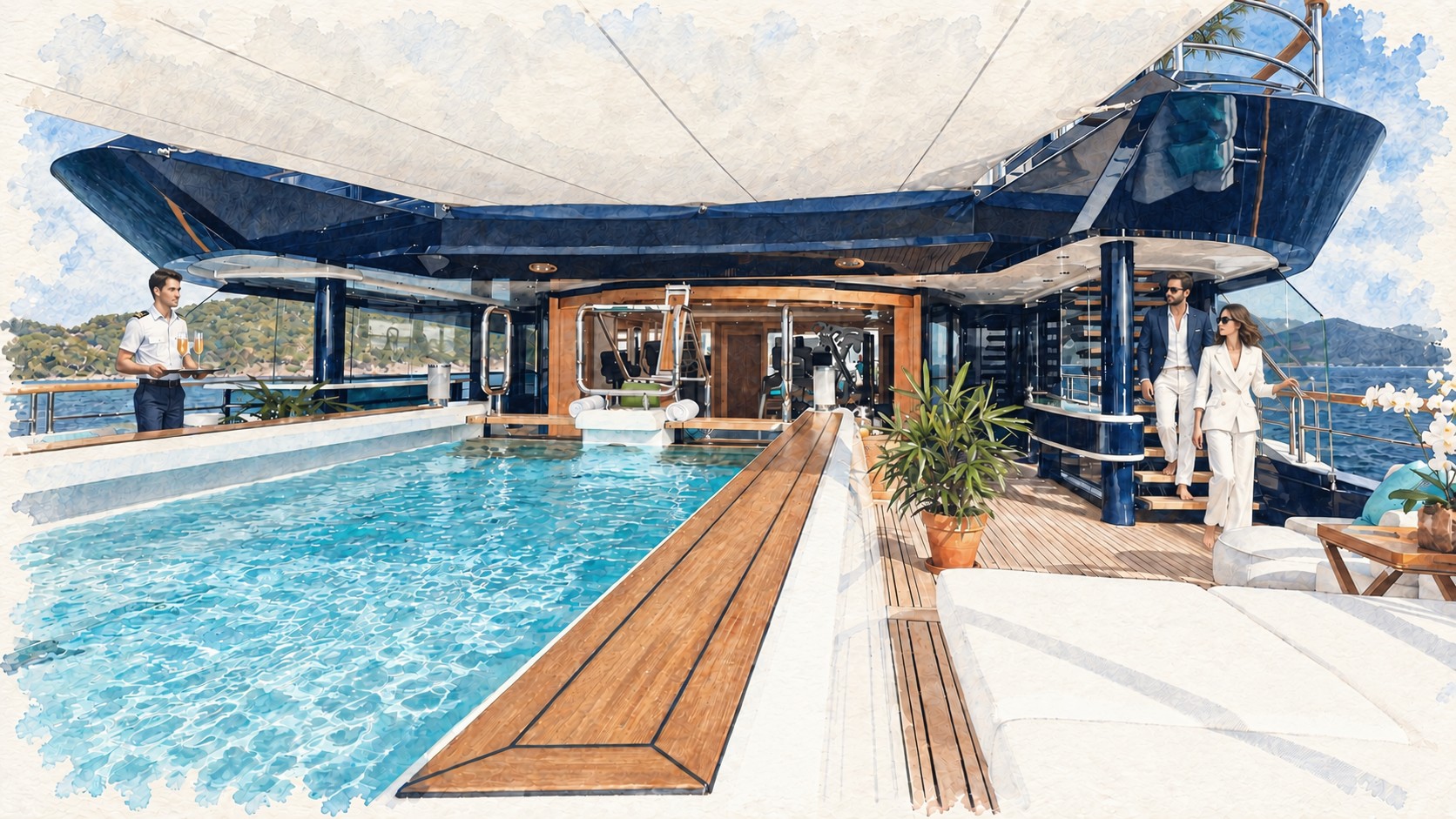
Yachting has its own language and its own rules, and the industry assumes you already know them. There is a lot nobody explains.
This is the simple version. What to expect, what to ask, and what you must know before your first decision.

The basics
1
·
Charter first
For most first-time owners, chartering first is the smarter place to start. Different sizes, different builders, different water.
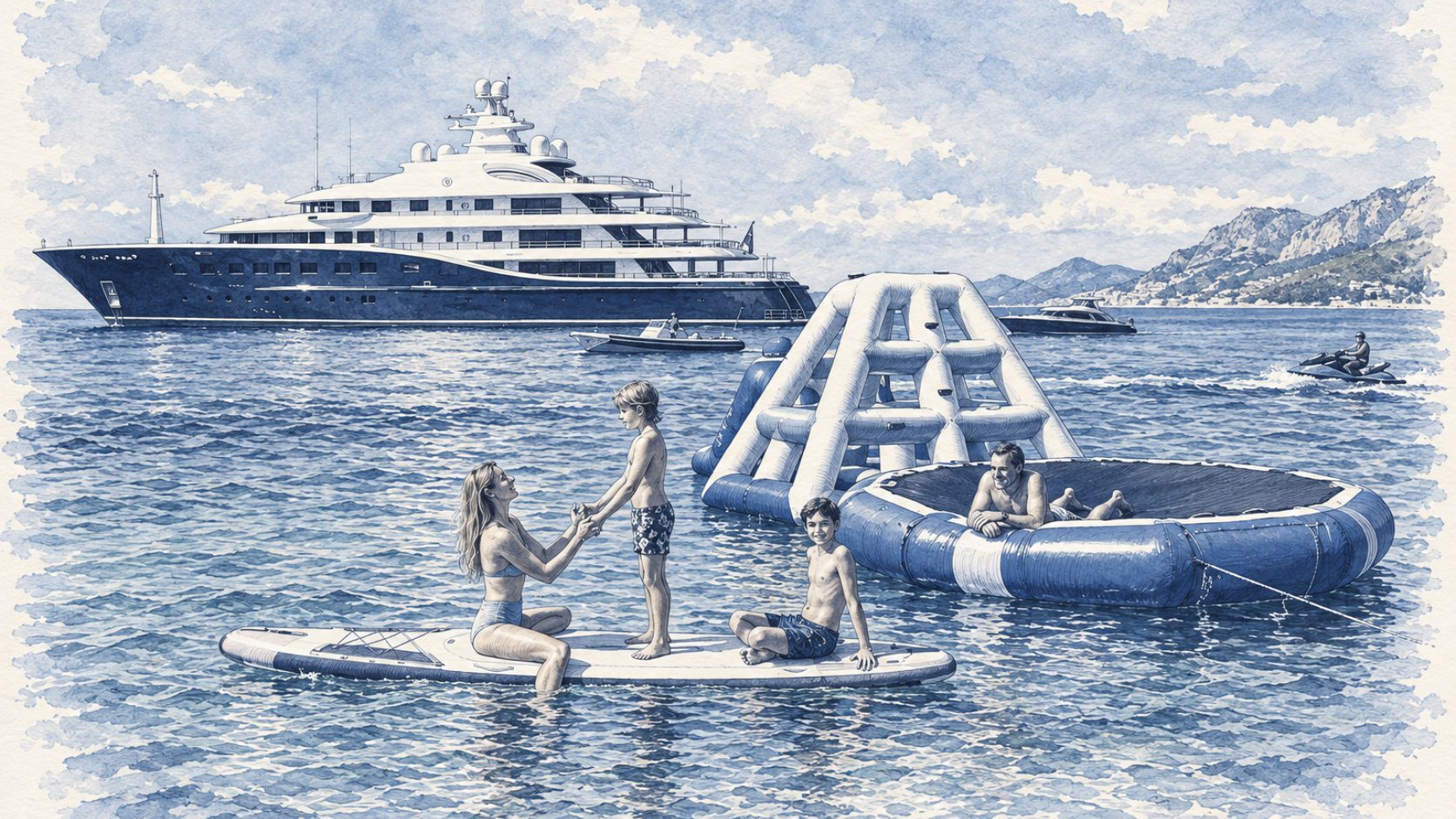
One week on board teaches you more than months of looking at brochures. You find out whether you like the yacht quiet, just your own party, or full of friends and guests. Whether your family spends the day in the water, on the jet skis and paddleboards, or at a long lunch on deck. Whether you want the busy Mediterranean in July and August, or somewhere quiet where you are the only boat. All of it is right. It just calls for different yachts.
Tell your broker which one you are, and he will build the itinerary around it. Busy can be Saint-Tropez at the height of summer. Quiet can be a remote anchorage in Greece or Croatia where there is nobody around. Or Greenland, if you want the cold.
Everything you learn that week is worth more later, when the numbers get bigger.
2
·
What a week costs
The weekly rate pays for the yacht and the crew. It is the starting number, not the final one.
What you actually commit depends on three more pieces: APA, local tax and, if you choose to leave one, a gratuity.
Some charters also carry a delivery or re-delivery fee, a security deposit or other agreed charges. Where they apply, they are separate items written into the contract before you sign.
APA
Think of APA as your onboard spending account for the week. You fund it before the charter, and it pays the real expenses of your trip: fuel, food, drinks, berths (the yacht’s place at the quay each night), local transport, special requests and other running costs.
The captain manages the APA account during the charter. If the account is running higher than expected, the captain may ask you to top it up. At the end you get a detailed breakdown of what was spent, with the supporting receipts, and if there is money left it comes back to you.
APA is an advance against real expenses, not a fee. Whatever is not spent is still your money, and it comes back to you. If the account runs short, the balance remains payable.
APA is usually budgeted at around 30% of the charter fee, but the amount is agreed in the contract and varies with the yacht, the itinerary and the expenses expected.
VAT
VAT depends on where the yacht is licensed, where you embark and where you cruise. The rates below are the headline national rates, shown for orientation.
A headline rate is not automatically the tax payable on a charter. Where part of the charter is used outside national or EU territorial waters, a lower effective rate can apply, subject to proof. We work the actual figure out before the contract is signed, so you know the real cost before you commit.
MYBA charter agreement
Once you start talking yachts you will hear “MYBA Charter Agreement” a lot. MYBA is The Worldwide Yachting Association. It created the charter agreement used across much of the superyacht industry. The agreement sets out what the owner is responsible for and what you, the charterer, are responsible for.
Before you sign, we go through the points that matter in plain English, so you know exactly what you are agreeing to.
Anyone who quotes you the weekly rate alone, with none of the rest, is not doing you a favour.
Four examples
Illustrative only. Tax is shown at the headline rate; the actual figure depends on the yacht, where the charter starts and the itinerary, and is confirmed before you sign.
Motor yacht · 35 to 40m (115 to 130ft)

Ibiza, Spain · €250,000 a week
Motor yacht · 50 to 65m (165 to 215ft)

Sardinia, Italy · €500,000 a week
Motor yacht · 70 to 80m (230 to 260ft)
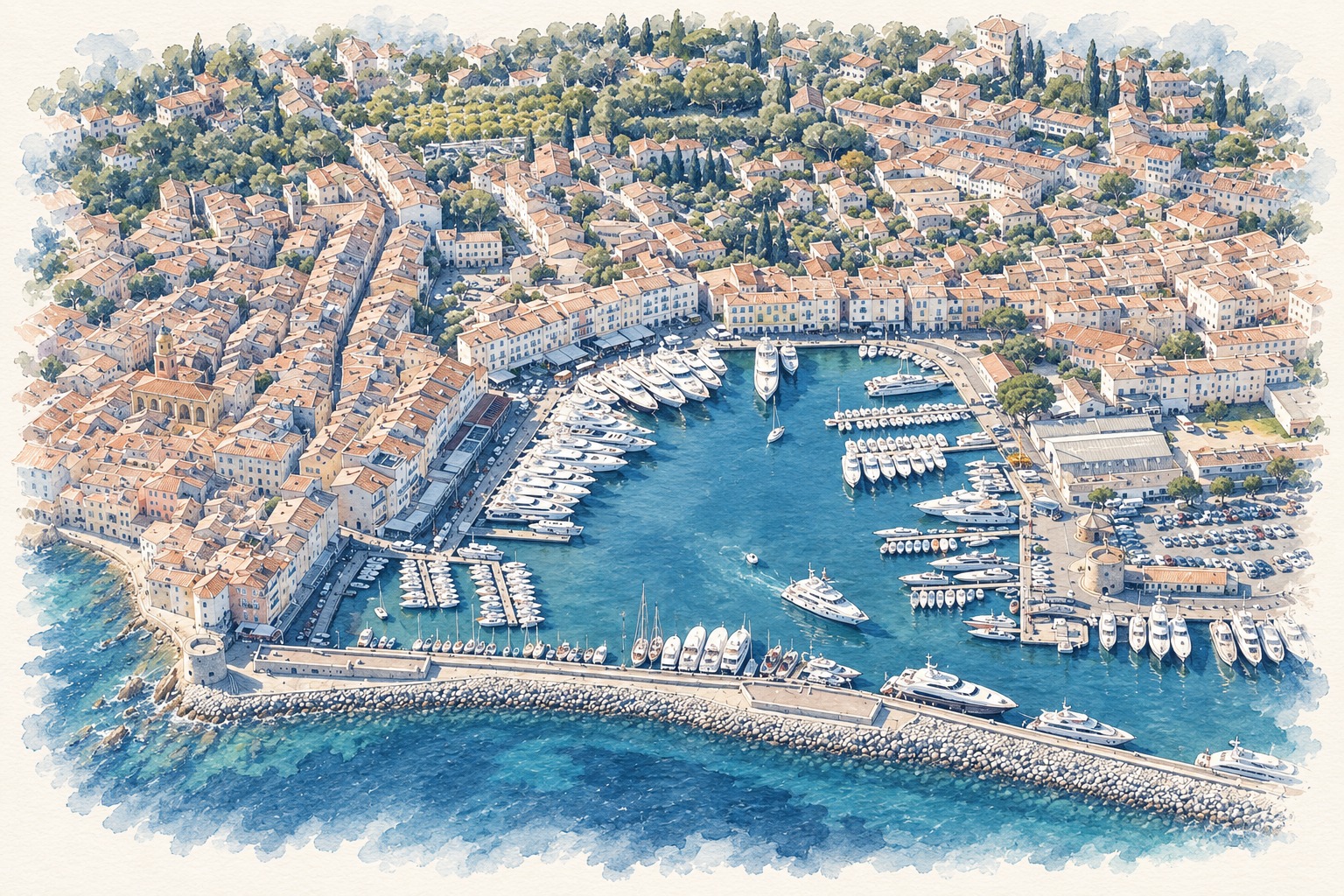
Saint-Tropez, France · €750,000 a week
Motor yacht · 80m plus (260ft plus)
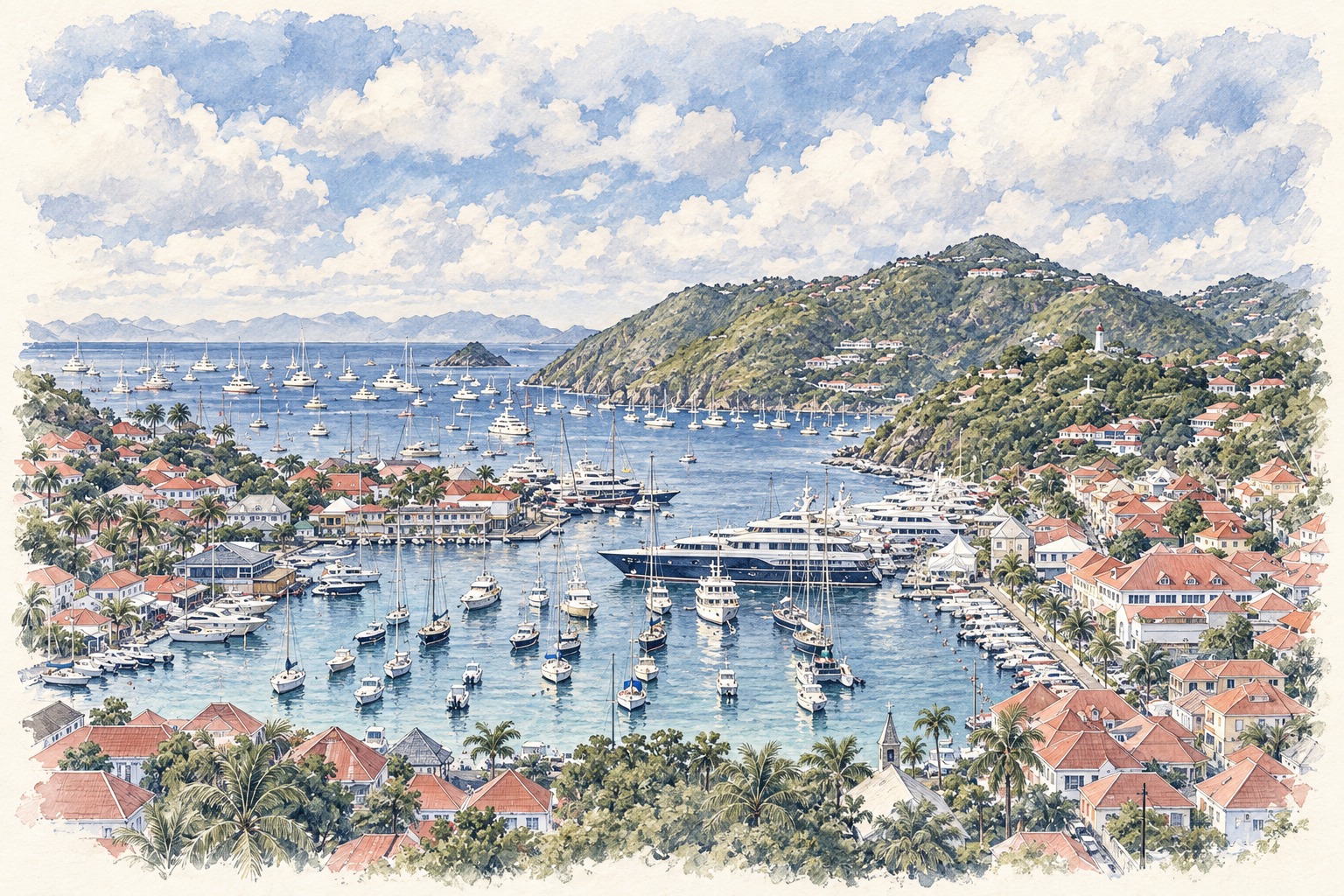
Gustavia, St Barths · €1,000,000 a week
Gratuity

Gratuity is always at the charterer’s discretion. The decision is yours. It is never compulsory.
It is customary, but it is never asked for. Under MYBA’s current guidance a gratuity is entirely at your discretion, and the crew must never solicit one.
It is given to the captain, shared among the crew, and arranged at the final accounting.
Figures move with the yacht, the itinerary and what you choose on board.
3
·
Who is who
The broker finds the yacht, negotiates and handles the contract, and is usually paid out of the deal rather than by you.
The manager runs the yacht for the owner: crew, accounts, insurance and compliance.
The captain runs everything on board. Your week largely lives or dies on the captain.
The agent handles the practical side in each port: berths, clearance, deliveries, the car waiting when you step off.
They are mostly good people doing a hard job. It is still worth knowing who is paid by whom before you weigh anyone’s advice.
4
·
If you buy later
Buying the yacht is the smaller decision. Running it is the larger one.
You will often hear 10% of the yacht’s value a year as a rough rule of thumb. Treat it as a starting point only. The real budget depends on the yacht.
Crew, berths, fuel, insurance, maintenance, management, compliance and the yard period nobody warns you about.
None of that is a reason to avoid owning. It is a reason to know the running cost before you buy, not after.
5
·
Questions worth asking
How many weeks a year will we really use it?
Do we want the same water every summer, or somewhere new?
Who on my side holds this together when I am busy with everything else?
And the one that matters most, once the pen goes down. What happens next?
6
·
Where I fit
If you are at the beginning, you do not need a full family office yet. You need straight answers and one great first week.
Ask me anything on this page and I will tell you what I know, including when the answer is that yachting is not the right idea for you this year.
When it is the right idea, the rest of what I do is on the home page.
Common questions
The ones people ask me before their first charter.
How much does a charter really cost?
The weekly rate, plus APA, plus any local tax, plus a gratuity if you choose to leave one. APA is an advance for your own trip expenses, so whatever is not spent comes back to you.
What is APA?
Your onboard spending account for the week. Fuel, food, drinks, berths and the rest of your trip expenses come out of it. The captain accounts for it at the end, and unused funds are returned to you.
How do payments work?
Usually 50% is paid when the contract is signed. The balance, APA, taxes and any agreed extras are normally due around five weeks before the charter begins. Your contract will show the exact dates.
Do I have to tip the crew?
No. It is customary, but it is entirely your decision, and it must never be requested. Under MYBA’s current guidance a gratuity is at the charterer’s discretion, with no percentage prescribed.
What is the MYBA Charter Agreement?
The standard charter contract used across most of the industry. It sets out what the owner is responsible for and what you, as the charterer, are responsible for.
How far in advance should I book?
For the best choice, start around six to twelve months ahead. The most popular yachts and peak weeks can go a year early. Last-minute charters are possible, but you are choosing from what is left rather than from the whole market.
How do I choose the yacht?
Your broker sends you a short list, five or six yachts that fit your dates, your group and your water, with an honest view on each. You pick your top two or three, in order. Calendars change and owners change their minds, so a second choice is not a compromise. It is how you make sure you get your week.
What happens after I book?
A few weeks before you board, we build your preference sheet. Food, drinks, allergies, activities, birthdays, how you take your coffee. That goes to the captain and crew, so the yacht is ready for you before you arrive.
Is there a way to avoid the VAT?
Not by pretending it does not exist. The tax treatment depends on the yacht, where you embark and where you cruise. We work it out before you sign, so there are no surprises later.
Can I choose where we go?
Yes, within the yacht’s cruising area and subject to weather, safety, local rules and time. The itinerary is built around you, and it can usually change during the week.
What happens if the weather is bad?
The captain changes the itinerary for safety and comfort. A good week is never a plan followed stubbornly. It is a plan adjusted well.
Can children come?
Yes. Many yachts are excellent for families. What matters is the right layout, the right crew and an itinerary built around children rather than in spite of them.
Why only twelve guests?
Because most commercial superyachts are certified to carry no more than twelve passengers. Above that, a different passenger-yacht regime applies. A small number of yachts are certified for more, but they are less common.
Do babies count as guests?
Tell us every person coming, including babies. Under many commercial-yacht rules a child under one year old is not counted as a passenger for the standard twelve-passenger limit, but the yacht’s certification and flag rules still need to be checked. We confirm it before you book.
Can I bring my nanny or my security?
Tell us early. Depending on the yacht, their role and the yacht’s certification, your nanny or security may count as part of the guest party, or may be carried differently if properly engaged and documented. We check that before you choose the yacht. The right yacht makes this simple. The wrong one turns it into a negotiation.
Can I bring my dog?
Sometimes. It depends on the yacht, the owner’s rules, the destination and local regulations. Ask before you choose the yacht, rather than after.
Can I work from the yacht?
Usually, yes. Many modern yachts have excellent Wi-Fi and Starlink. If you need reliable calls, large uploads or serious bandwidth, say so before we choose the yacht, because connectivity is not identical on every boat or in every destination.
Do I have to charter for a full week?
No. Seven days is the standard, but shorter charters are sometimes possible, and they are priced by a simple rule: the weekly rate divided by six, not seven, times the number of nights. A €250,000 yacht for five nights is €208,333, not €178,571.
The sixth-day rule is how the industry prices a shorter charter. Fewer nights cost more per night, and in peak season some owners will not split the week at all.
Can I use all the toys?
Usually, but not always. Jet skis and some other motorised toys can require a licence or have local restrictions. Diving may require certification. We check that before the trip, so nobody discovers it on day three.
Can I charter a yacht that is somewhere else?
Often, yes. If the yacht has enough time in its calendar, the owner may agree to move it to meet you. That repositioning can create a delivery or re-delivery fee, usually based on the cost of moving the yacht. If it applies, you will know before you sign.
Why can some yachts only start a charter in certain places?
Some privately registered yachts can charter under a scheme called YET, Yacht Engaged in Trade. It can restrict where a charter is allowed to start and where paying guests can join or leave. The rules depend on the yacht’s flag, its certification and the country involved, so we check them before you choose the yacht.
What if I need to cancel?
Once the charter agreement is signed, cancellation can mean losing payments already due. The exact terms are in the MYBA agreement, which we go through before you sign. Cancellation insurance is worth discussing for larger charters.
What happens if something goes wrong with the yacht?
The charter agreement covers this too. If a serious technical problem prevents you from using the yacht, there are protections and remedies in the contract. This is one of the reasons the contract matters.
What is a tandem charter?
Two yachts, one week, one plan. A large yacht where the family lives, and a smaller one alongside for friends, guests or a berth the big boat cannot take. It is common at the Monaco Grand Prix, where the small yacht sits on the track side, beside the circuit, and the large one anchors outside in private.
Should I charter before I buy?
Yes. I would not help anyone buy a yacht who has never chartered one first. A week on board answers questions a brochure cannot, and those answers usually change what you buy.
Is my charter private?
On board, yes. Professional yacht crews work under strict confidentiality obligations, and the MYBA Charter Agreement includes confidentiality provisions for the captain and crew. That covers the yacht and the people who work on it, not the wider world. If privacy is especially important, tell us before the charter so we can also plan around guests, photography, social media and shore arrangements.
Let’s fix it